
“Here we have our present age… bent on the extermination of myth. Man today, stripped of myth, stands famished among all his pasts and must dig frantically for roots.” – Friedrich Nietzsche (philosopher, 1844−1900)
Look at the world today, and you might feel rather hopeless. When you see the dysfunction of our society, or the destruction of our natural environment, you might feel powerless. There isn’t much we can do about our dissatisfaction with the world, or the existential threats we face. If you’re religious, you might find hope in some divine intervention. But for the realist, it seems easier to despair. I felt this same sense of discouragement when I left my childhood faith, but I couldn’t shake the thought that life was somehow important—that there was more to our existence. With deep discontent, I searched for hope when it seemed like there was none. And I found, from my fascination with nature, a hope unlike any other.

“To me what we really need right now in this increasingly divisive world is a new unifying myth. I mean ‘myth’ as a story that defines a culture. So, what is the myth that will define the culture of the 21st century?” – Marcelo Gleiser (theoretical physicist)
Given human nature, this is an idea that might unify humankind. This is the most sensible meaning to be found in our small and fragile existence, the most logical worldview that satisfies our religious intuitions, which so adamantly claim that we are more than some vain cosmic accident. This is a reason to think that we are part of something worth loving—that our existence is something worth preserving. And this is a reality that every intelligent being must realize, if its being is to be continued beyond a pale blue dot. This is the truth, if such a truth exists.
The following section is summarized from Chapter 1: Pale Blue Dot.
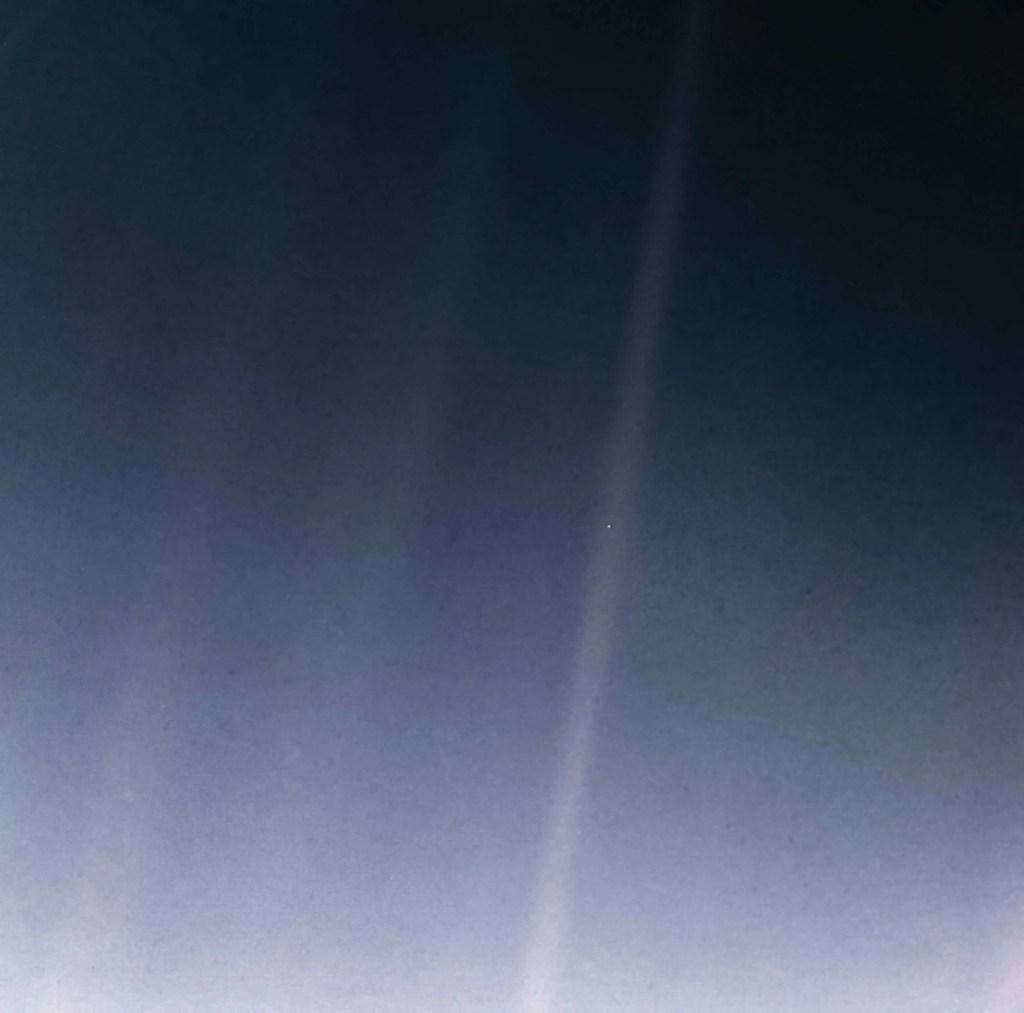
Pale Blue Dot is the most distant photograph ever taken of the Earth, a tiny speck caught in a beam of scattered sunlight. At the request of astronomer Carl Sagan (1934-1996), it was captured by NASA’s Voyager 1 from 4 billion miles away. Sagan reflected on this image in a lecture at Cornell University: “In our obscurity, in all this vastness, there is no hint that help will come from elsewhere to save us from ourselves.”
How do we comfort the father who can’t feed his family, or the migrant who fears for her safety? How do we stop the moral decline of a world led by greed and dishonesty, or the intellectual regress of a post-truth society? The distrust and the despair are widespread. Across the globe, we see a species that is anxious, addicted, and depressed. We see divisions of class and culture that seem irreparable, and imbalances of wealth and education that threaten the stability of nations poor and prosperous. And with our economic growth fueled by a dying planet, the status quo is surely unsustainable. If our societal troubles don’t spell the end of civilization, then a collapsed ecosystem certainly will.
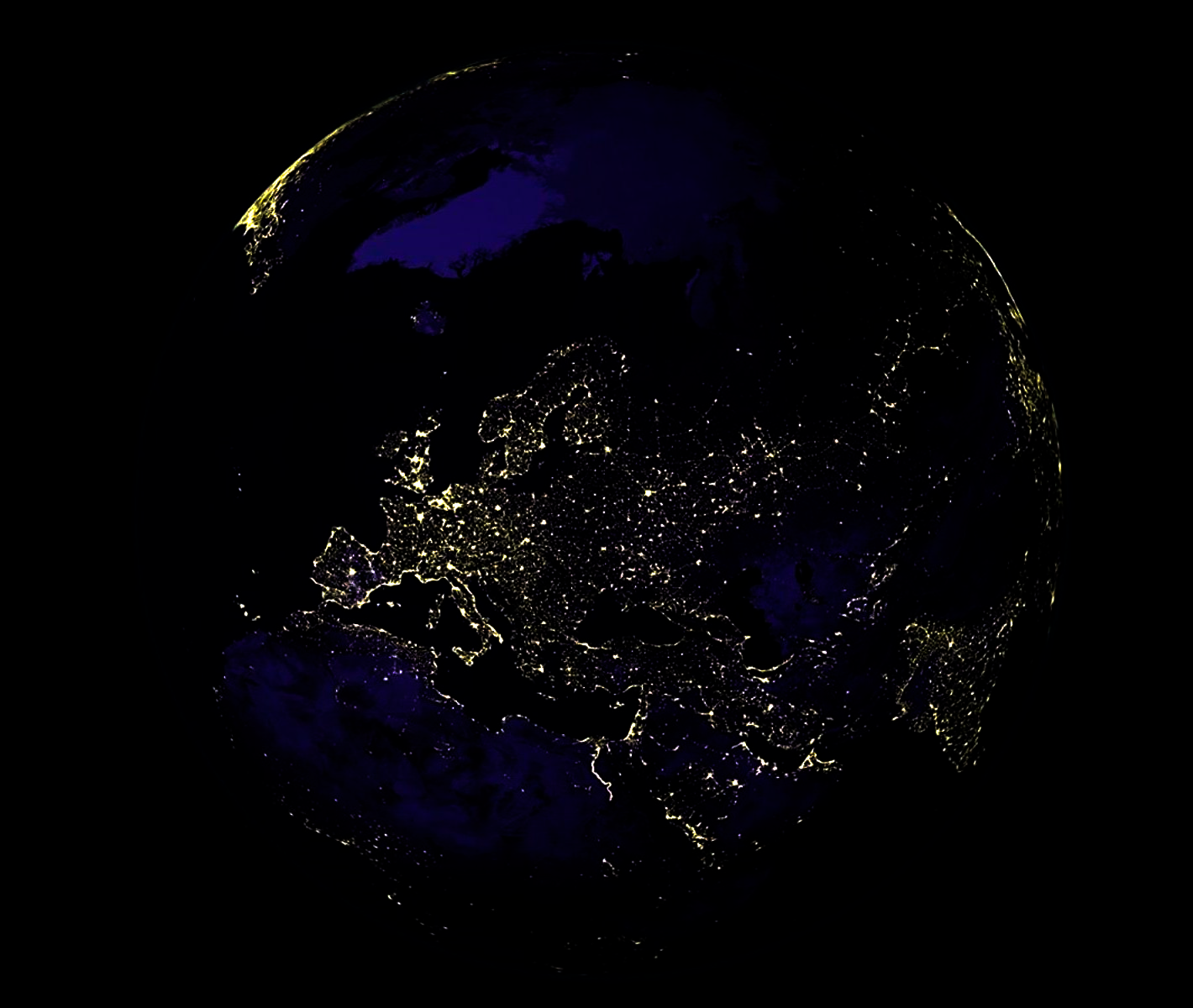
“The natural environment we treat with such unnecessary ignorance and recklessness was our cradle and nursery, and remains our one and only home. To its special conditions we are intimately adapted in every one of the bodily fibers and biochemical transactions that gives us life.” – E. O. Wilson (biologist, 1929-2021)
Whether it be climate change or corruption, we often isolate our issues as individual problems to be solved. But, in the words of Leonardo da Vinci, “everything connects to everything else.” We can no longer approach our separate problems with narrow solutions, because the issues we face are no longer just about our daily comforts. They are now about the survival of our species—the extinction of our children and grandchildren. Just consider, we have 15,000 nuclear warheads between nine countries. In our blissful ignorance, we have begun the sixth mass extinction since life evolved on land. And here we are, a society driven by self-interest but devoid of significance; a generation without purpose, lost in a mess created by our forefathers and without a hope of cleaning it up. Before us lies the immense task of saving humanity from self-destruction. So unfortunately, the fix won’t be as simple as cutting emissions or taxing the rich. The solution will take more than a public policy or piece of technology. It will take the shift of a global mindset, the transformation of a culture broken by apathy and despair. It will take an idea unlike any other.

“Extinction is the rule.
Survival is the exception.”
– Carl Sagan
Sooner or later, our existence will be threatened. And we might wonder, did we come this far just to destroy ourselves, or is there a reason to cherish the life we deem so precious? What will it take to survive, not just as individuals in a dying world, but as a species that flourishes in the far future?
The following is summarized from Chapter 2: Human Nature.
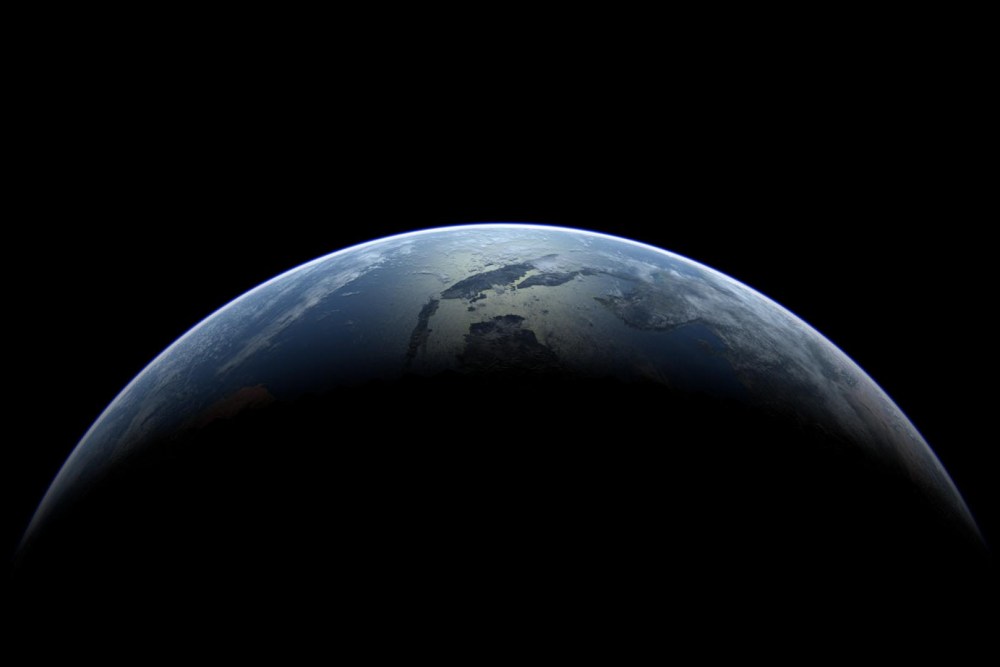
As a child raised by Christian fundamentalists, I had embraced a reality that included everything from speaking in tongues to prophetic visions. More important than my physical world was an unseen spiritual realm, a war between the divine and the demonic. I believed that Christ would return and rule the Earth within my lifetime. Perhaps it was all a delusion, but my indoctrination gave me a taste of humanity’s transcendence, that sense of belonging to something greater than myself. And these experiences opened a window into what was possible with the human mind.
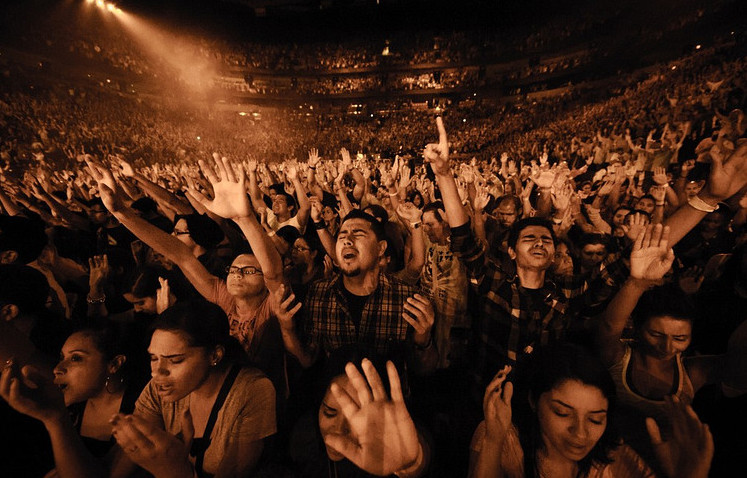


“Human beings have a demonstrated
talent for self-deception when their
emotions are stirred.” – Carl Sagan
For the mass majority, emotion guides reason—not the other way around. Emotion is how the mind assigns meaning and value to conscious experience. Emotion drives our most pronounced behaviors and sustains our most powerful beliefs. Emotion alters our perception of reality and the scope of our morality. Because of human nature, human cohesion necessitates an emotional experience, a unified affective state arising from a unifying sense of purpose. This principle of human nature is perhaps best demonstrated by the religious mind and its craving for relevance.

“The deepest principle in human nature is the
craving to be appreciated.” – William James
(philosopher and psychologist, 1842-1910)
In our present age, unifying our species would take an affective alignment towards one purpose. It would take a vision that is greater than any political platform, economic incentive, or religious belief. It would take an idea that satisfies, once and for all, our longing for identity, community, and a sense of relevance. So, if there is any optimism for mankind, then it remains in the possibility that our existence is, in fact, bound with a greater purpose. If we are to survive, then we must find an aim that is above ourselves and beyond our lifespans.

“[Our] history can be viewed as a slowly dawning awareness that we are members of a larger group. Initially our loyalties were to ourselves and family; next, to bands of hunter-gatherers; then to tribes, settlements, and nations. We have broadened the circle of those we love. But if we are to survive, our loyalties must be broadened further, to include the whole human community, the entire planet Earth.” – Carl Sagan
The following is summarized from Chapter 3: Scheme of Things.

Above is an image of a region of space that is just one thirteen-millionth of the total area of the sky (smaller than a 1 mm by 1 mm square held 1 meter away). An estimated 10,000 galaxies are visible, out of an estimated 2 trillion galaxies in the observable universe.
Physicists and cosmologists agree that the universe seems “fine-tuned” for life. The laws of nature contain many fundamental numbers, like the speed of light, the size of an electron’s charge, or the constant of the gravitational force. And the conditions that allow for life can only occur when these numbers lie within a very narrow range. If any of them were only slightly different, the universe would be unable to support the development of galaxies, stars, atoms, and life as we know it.
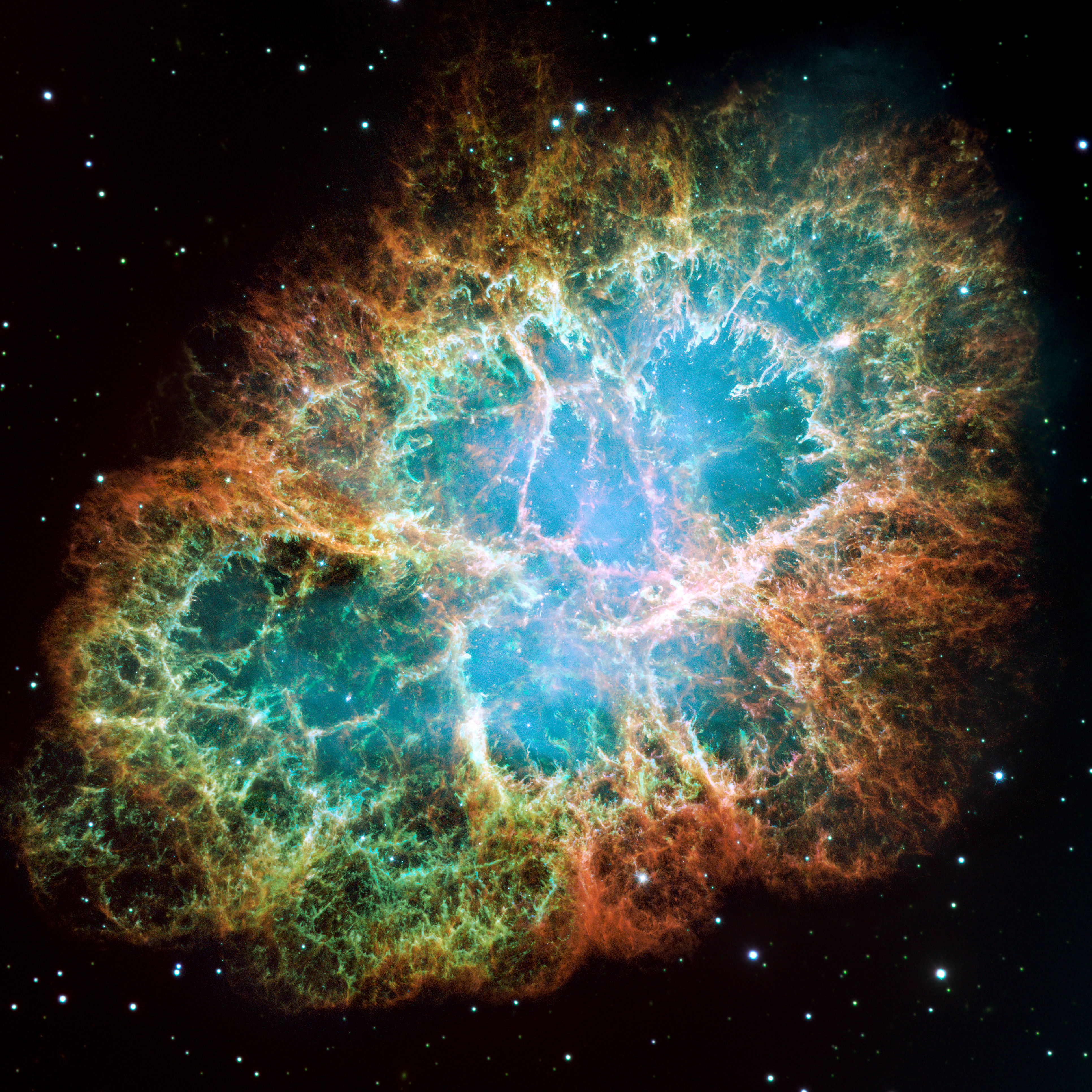
“[We are] starstuff pondering the stars; organized assemblages of ten billion billion billion atoms considering the evolution of atoms; tracing the long journey by which, here at last, consciousness arose… We are a way for the cosmos to know itself.” – Carl Sagan
But many dismiss this fine-tuning as chance. Supposing the universe is one in a vast multiverse, ours just happened to have the laws that support the existence of life. Likewise, many academics assume that nature has no inherent purpose. From life’s complexity to the mind’s awareness, everything can be explained by a coincidental sequence of physical interactions between particles and waves. There is no design or meaning, and we are completely irrelevant in the grand scheme of things.
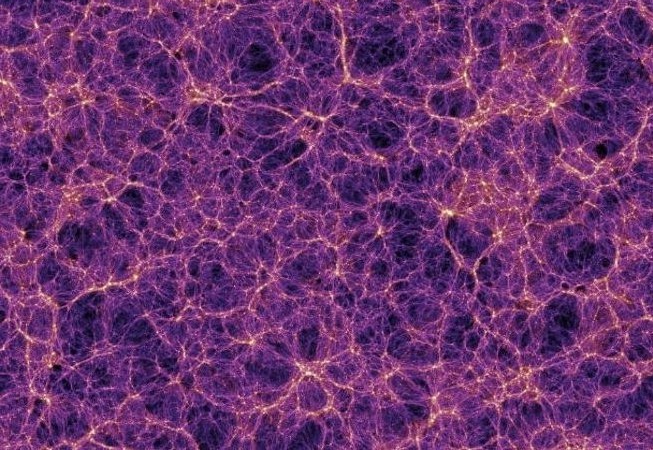
The galaxies in our observable universe are clustered along filaments of dark matter (invisible sources of gravity), and these filaments are connected in a cosmic web.
Everything might be chance, but such assumptions hinge on theories that are presently unverifiable. And while these realities might be interesting to ponder, there is a reality that we cannot ignore: given the human mind, an existential objective is needed for the preservation of humankind. Intellectuals and imbeciles alike will not work together without a reason to. And, while nobody has proven that we matter, nobody can prove that we don’t matter. Not even the atheist can claim with absolute certainty that our existence is meaningless. So, supposing the mind has any purpose, perhaps there is some truth in what the mind believes its purpose to be.
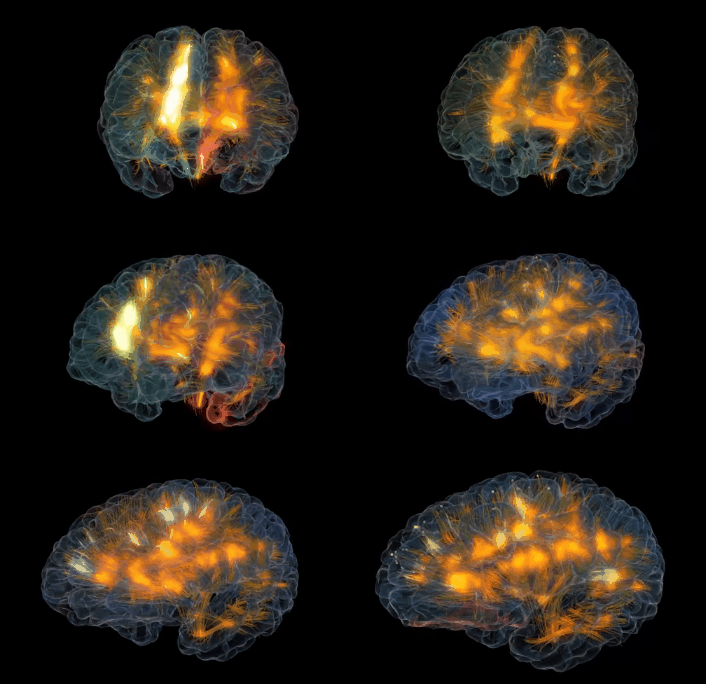
Humanity has been captivated by the idea of immortality, a continuation of consciousness through some form of afterlife, be it heaven or hell, spirits or souls, gods or ghosts. And with the shedding of religion, eternal relevance has become some transhuman* obsession. In any case, the mind is inevitably drawn to the idea that it is part of something permanent. The mind wants to be, so it considers itself an eternal being. Simply put, we want to survive. But why? Where does this motivation—this purpose—come from? This is a necessary question, because understanding survival may be the only way of ensuring our own.
*Transhumanism: an intellectual movement advocating for the enhancement of the human condition through advanced technology to overcome limitations like disease, aging, and death.
The following is summarized from Chapter 5: So Don’t Stop.

A biological cell has been described as “a high-tech factory, complete with artificial languages and decoding systems; central memory banks that store and retrieve impressive amounts of information; precision control systems that regulate the automatic assembly of components; proof-reading and quality-control mechanisms that safeguard against errors; assembly systems that use principles of prefabrication and modular construction; and a complete replication system that allows the organism to duplicate itself at bewildering speeds.”

The origin of life remains an unsolved puzzle. And biological theories, in their search for physical pathways, have overlooked a metaphysical mystery in the emergence of life: a determination to exist. Apart from the ill and dying, we all have this biological drive, this will to survive that differentiates living from nonliving matter. Indeed, the origin of life must involve the origin of its purpose—to live. The very concept of survival requires a determination that can only be explained by a sense of agency. This “struggle for existence” necessitates a motivation that may constitute the very beginnings of consciousness.

Some might dismiss this “mind” and its “purpose” as mere illusions. Having evolved from nonliving matter, all living phenomena must be derived from the mindless, purposeless laws of nature. The metaphysical is just an aimless byproduct of a purely physical system. But such assumptions remain speculative, and one alternative is worth examining: supposing that life’s striving cannot be reduced to known physics, then it might be intrinsic to physics itself. Our will to live may be as real as the ground beneath our feet. Our desire to exist may be fundamental to the nature of the universe. After all, we’re made of the universe.

How do self-sustaining molecular systems arise from interstellar dust? My theory is speculative and unimportant for the remainder of my philosophy, but it’s an idea worth exploring. Perhaps this existential drive is inherent to our concept of dark energy and the arrow of time. That is, the propagation of spacetime also perpetuates every oscillation in nature, from the spins of galaxies to the spins of electrons. When these cosmic and quantum cycles intersect, they align and resonate, producing the self-sustaining cycle of chemical energy that we call biological life. Simply put, life is the resonant frequency of the universe.

“Alone among the solar planets, Earth’s physical environment is held by its organisms in a delicate equilibrium utterly different from what would be the case in their absence. The ecologist sees the whole as a network of energy continuously flowing into the community and back out, and then on round to create the perpetual ecosystem cycles on which our own existence depends.” – E. O. Wilson

Survival is somehow fundamental to the nature of reality. But extraordinary claims require extraordinary evidence. And there is no evidence more compelling than the absurdity of your very being and its desire to be. Extrapolating this motivation of life to all of nature may seem rather unscientific. But we evolved from nature, and the laws that govern the evolution of life are the same laws that govern the evolution of stars. So maybe this struggle for existence is part of existing. Maybe our instinct to survive reveals a truth greater than the outcome of any experiment: there is, underlying the laws of nature, a perpetual drive that is manifested through life and its awareness. Simply put, nature has one purpose: existence has a tendency to exist; being is bound with a will to be.

“Bottomless wonders spring from simple rules,
which are repeated without end.” – Benoit
Mandelbrot (mathematician, 1924-2010)

In a sheaf of notes intended for an unfinished book, Carl Sagan printed the following quote by philosopher and mathematician Gottfried Wilhelm Leibniz (1646-1716):
“Why does something exist rather than nothing? For ‘nothing’ is simpler than ‘something.’ Now this sufficient reason for the existence of the universe…which has no need of any other reason…must be a necessary being, else we should not have a sufficient reason with which we could stop.”
And just beneath the typed quote,
three small handwritten words in red pen,
a message from Sagan to Leibniz and to us:
The following is summarized from Chapter 6: Cosmic Purpose.

We exist to exist. There is no greater meaning for us to realize, as there can be no meaning in being without being itself. Any reason for existing must, at the very least, involve an existence. But the truth is, everything physical dies. You and everyone you know will die. In a few billion years, life on Earth will die, and eventually so will our Sun, our galaxy, and maybe our universe. So the scientific mind sees in eternity its own insignificance, while the religious mind finds in eternity its importance. But no matter your view, there is, in the religious answer, an inescapable truth: the only alternative to extinction is eternity. And because of our intellect, a thought once incredible has now become tenable: science presents humanity with the possibility of existing indefinitely. If we should survive, then eternity can no longer remain a religious fantasy—it must now become our cosmic vision. Because we, the created, have become the Creator. We are God becoming self-aware.
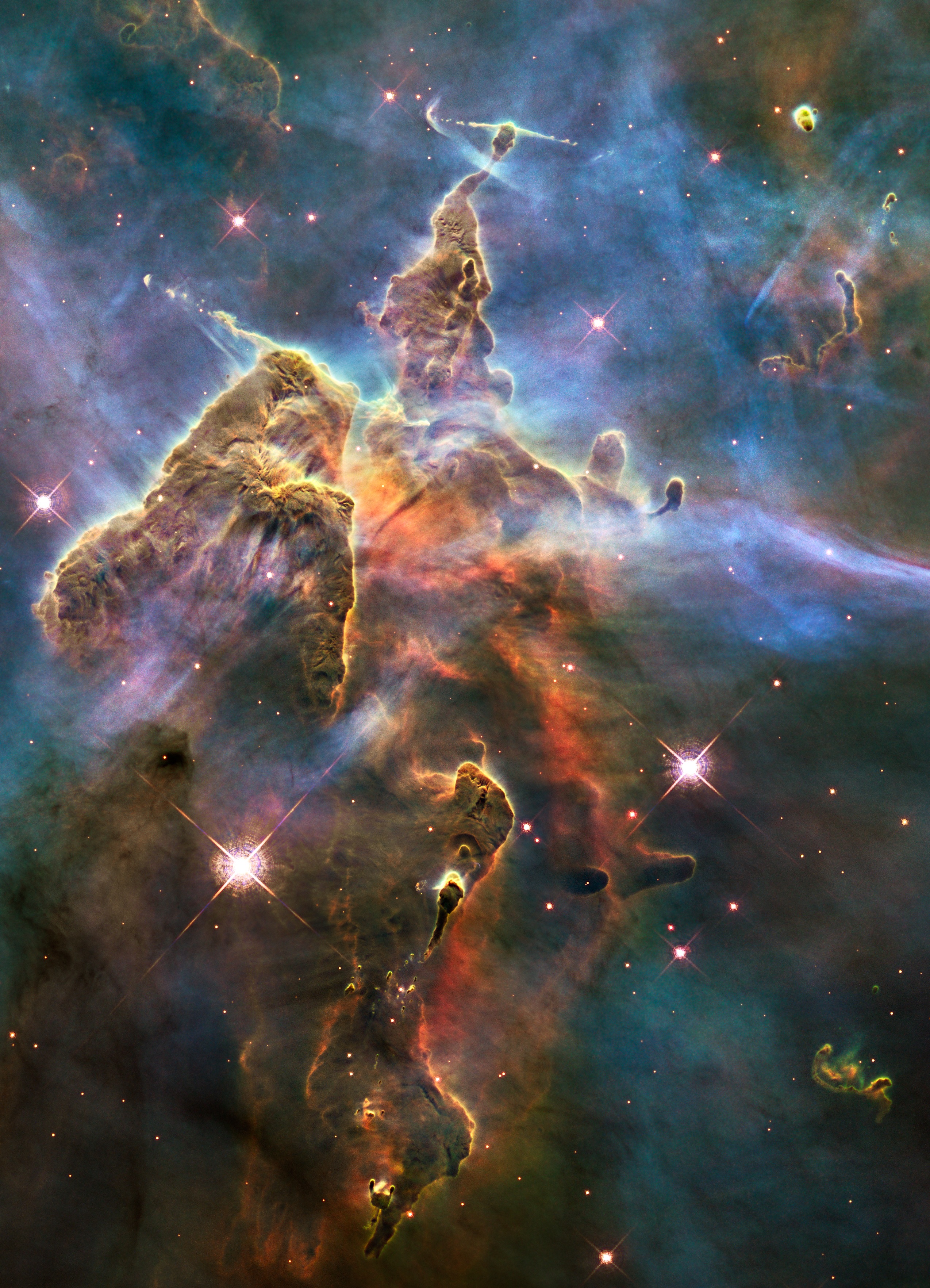
“I do not make any clear distinction between mind and God. God is what mind becomes when it has passed beyond the scale of our comprehension.” – Freeman Dyson (theoretical physicist, 1923-2020)
There is no foreseeable end to the progression of the human mind and the evolution of its intellect. The growth of our knowledge is accelerating. We predict cosmic and quantum phenomena with increasing precision, and manipulate the laws of nature in ways that are inconceivable to the ordinary mind. We expect to find and spread life beyond Earth within a few centuries. We will soon have the ability to edit our genes and guide our own evolution. And we will soon create machines more powerful—minds more intelligent—than ourselves. We dream of colonizing the galaxy, and of discovering the truth about our origins. As Sagan said, we are a way for the cosmos to know itself.
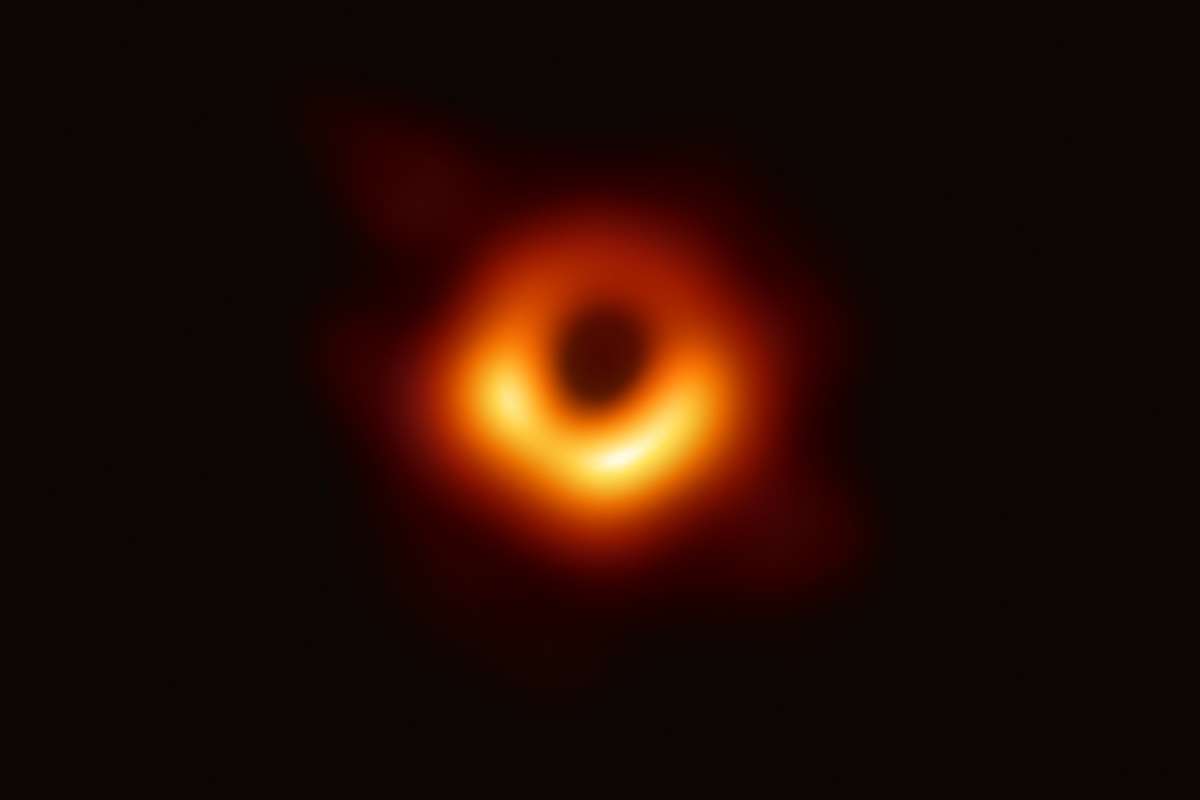
In 2022, the Event Horizon Telescope captured humanity’s first image of a black hole at the center of Messier 87, a large galaxy 55 million light-years from Earth.
“[Reason tells me of the] extreme difficulty or rather impossibility of conceiving this immense and wonderful universe, including man with his capability of looking far backwards and far into futurity, as the result of blind chance or necessity. When thus reflecting I feel compelled to look to a First Cause having an intelligent mind in some degree analogous to that of man.” – Charles Darwin (geologist and biologist, 1809-1882)
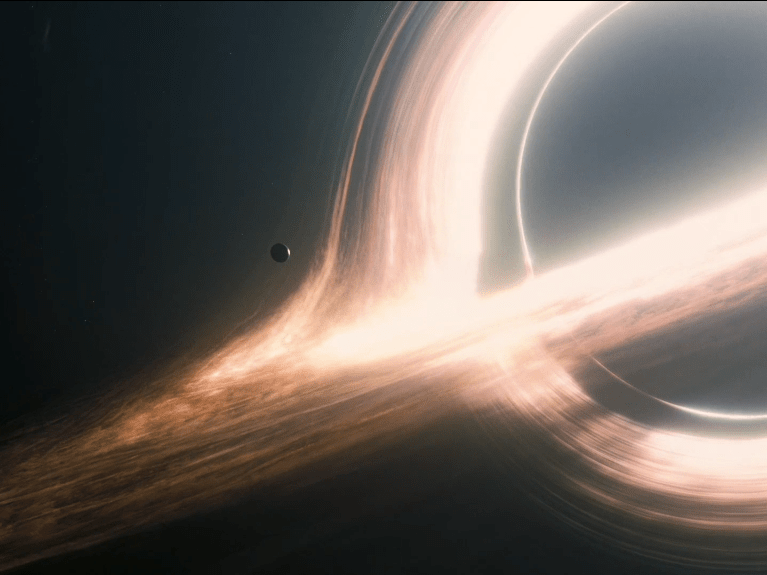
The quasar TON 618 (18.2 billion light years away) contains a black hole with a mass of 66 billion Suns and a diameter forty times larger than Neptune’s orbit from the Sun.
“I do not feel obliged to believe that the same God
who has endowed us with sense, reason, and
intellect has intended us to forgo their use.”
– Galileo Galilei (astronomer, 1564-1642)
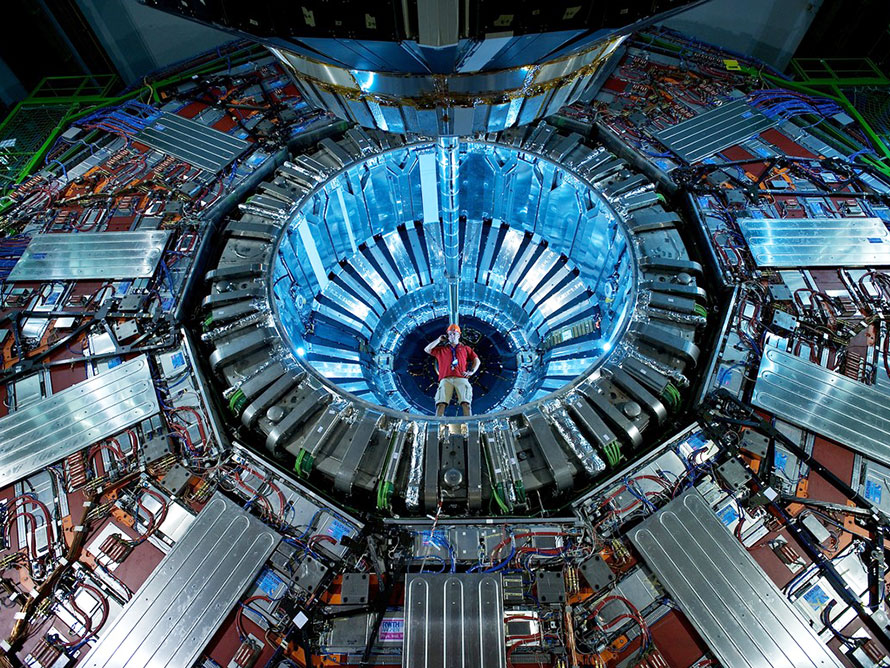
Best known for its discovery of the Higgs boson (2012), the Large Hadron Collider in Switzerland has been critical in advancing our knowledge of quantum physics. With a tunnel length of 17 miles (27 km), it is the world’s largest machine and most powerful particle accelerator, built in collaboration with over 10,000 scientists and engineers from more the 100 countries.
“We humans… who embody the local eyes and
ears and thoughts and feelings of the cosmos, have
begun to wonder about our origins.” – Carl Sagan

If we are a way for the cosmos to know itself, then perhaps we’re a way for the cosmos to continue itself. Our ability to reason, to feel, and to self-reflect—maybe it’s not some aimless accident. Rather, our existence evolved to know and to value itself for the purpose of preserving itself. We exist to exist, and we live to continue life. For us, it might be as small as saving our habitats and remaking them on Mars. And for our descendants, it could be as awesome as the big bang, or as grand as expanding the cosmic web.

The Laniakea supercluster, our filament of the cosmic web, was defined by mapping the movements of 8,000 galaxies after subtracting the effects of cosmic expansion.
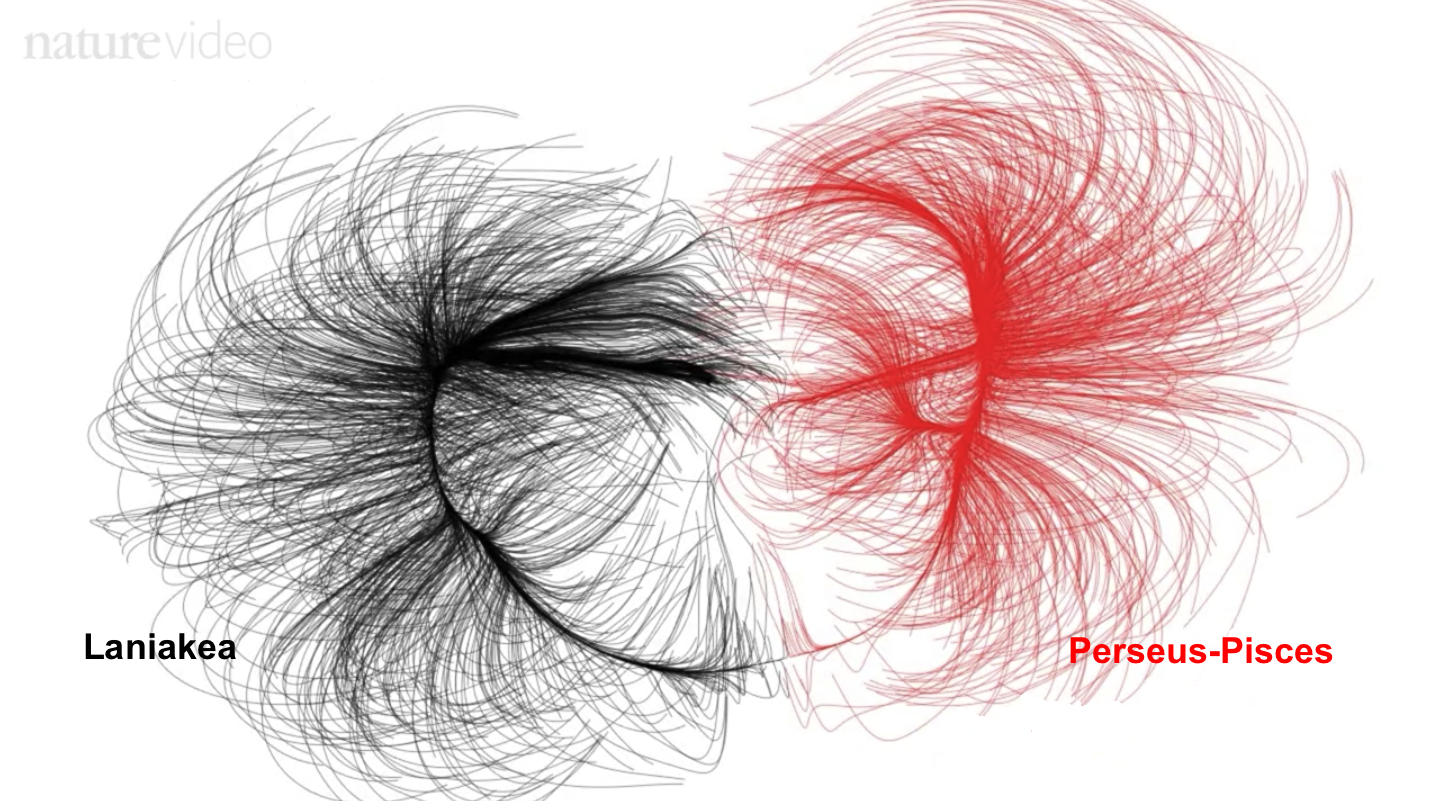
The Milky Way sits near the divide between the Laniakea and Perseus-Pisces Superclusters. These structures surround a vast region of empty space known as the Local Void (about 200 million light years across).
“In the last few millennia we have made the most astonishing and unexpected discoveries about the cosmos and our place within it, explorations that are exhilarating to consider. They remind us that humans have evolved to wonder, that understanding is a joy, that knowledge is prerequisite to survival. I believe our future depends powerfully on how well we understand this cosmos in which we float like a mote of dust in the morning sky.” – Carl Sagan

“So God created man in his own
image, in the image of God he created
him; male and female he created them.”
– Genesis 1:27 (ESV Bible)
A concept of eternity is a pivotal step in the evolution of the mind. The fact that we can comprehend a reality beyond space and time, be it an afterlife or a multiverse, or that we have the intellect to ponder the initial conditions from which our universe arose, speaks to the possibility that the mind is somehow implicated in the continuation of its reality—that consciousness is responsible for recreating the order from which it evolved. That is, the mind is the highest experience of order continuing order. We are, in a functional sense, the center of our universe. Such an assumption may be necessary for the survival and evolution of a species beyond the stage at which we presently find ourselves. Such an embrace of eternity may bring the transcendence of humanity.

“If we crave some cosmic purpose,
then let us find ourselves a worthy goal.”
– Carl Sagan
If there is any optimism for mankind, then it remains in the possibility that our existence is, in fact, bound with a greater purpose… Intellectuals and imbeciles alike will not work together without a reason to. And there is only one reason that makes any sense: the purpose of life is to continue life. And if we are relevant, then our purpose is cosmic. It’s time that we, as a species, find our place in the universe. Maybe there is a reason why humanity, confined to this pale blue dot, is so drawn to its destiny in the cosmos. As Sagan said, “the sky calls to us. If we do not destroy ourselves, we will one day venture to the stars.”
The following is summarized from Chapter 7: Transcendence.

“Everyone has a transcendent dimension, a life of the spirit. This is most directly expressed in religion and the mystic traditions, but the frequency with which people have intense feelings of bonding with groups, ideals, or anything larger and more enduring than the person is evidence of the universality of the transcendent dimension. The quality of being greater and more lasting than an individual life gives this aspect of the person its timeless dimension.” – Eric Cassell (physician, 1928-2021)
In our present age, unifying our species would take an affective alignment towards one purpose. And in religious and secular cultures alike, the greatest source of human harmony is a conscious phenomenon that we call love—an affective alignment towards one purpose: to exist together, forever. For the prosocial majority, the concept of love implies a mutual survival—a “happily ever after.”
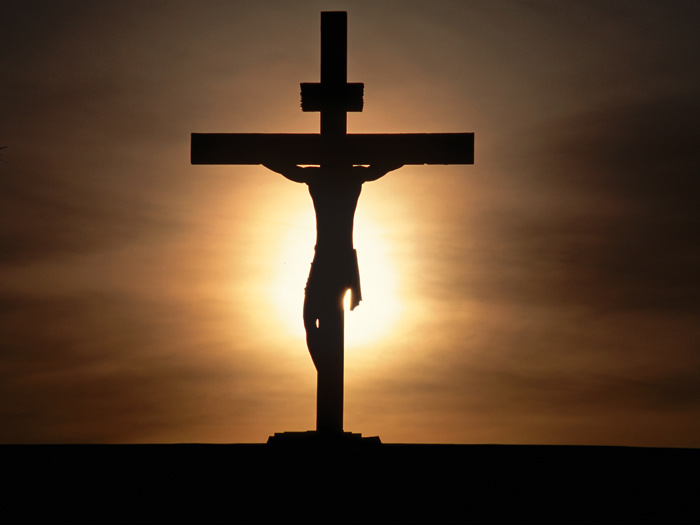
“For God so loved the world, that he gave
his only Son, that whoever believes in him
should not perish but have eternal life.”
– Jesus Christ, (John 3:16, ESV Bible)

“You will never enter paradise until you have faith,
and you will not complete your faith until you love one
another.” – Prophet Muhammad (Sahih Muslim)

“The law of love knows no bounds of space or time.”
– Mahatma Gandhi (politician, 1869-1948)

“Darkness cannot drive out darkness;
only light can do that. Hate cannot drive out hate;
only love can do that.” – Martin Luther King, Jr.
(minister and activist, 1929-1968)

“Love and compassion are necessities, not
luxuries. Without them humanity cannot survive.”
– Tenzin Gyatso (14th Dalai Lama, 1935-present)
Throughout history, our spiritual leaders all recognized one thing: whatever moral truth there is, it must involve love. And if I have learned anything from my childhood faith, it is this: there is no phenomenon more powerful than love. Through its effect on the sentient mind, love is the single most potent sustainer of life. Fortunately, human nature allows nearly all of us to feel it—all we need is a reason to.

“We have broadened the circle of those we
love. [But] if we are to survive, our loyalties must
be broadened further, to include the whole human
community, the entire planet Earth.” – Carl Sagan

Your mind seems to result from nearly 100 billion neurons communicating over 100 trillion synapses. Your body is not just one entity, but tens of trillions of cells that continue your collective being. At each moment, these cells involve a multitude of chemical reactions that result in the beating of your heart or the creation of your next conscious thought. And what drives such harmony at the chemical level manifests itself, at the conscious level, as love—an affective alignment towards one purpose: to exist together, forever. To continue our collective being.
“For small creatures such as
we, the vastness is bearable only
through love.” – Carl Sagan

If we are a way for the cosmos to know itself, then perhaps we’re a way for the cosmos to continue itself. Our ability to reason, to feel, and to self-reflect—maybe it’s not some aimless accident. Rather, our existence evolved to know and to value itself, for the purpose of preserving itself. That is, the mind is the highest experience of order continuing order. And at the sentient level, this order is driven by love.
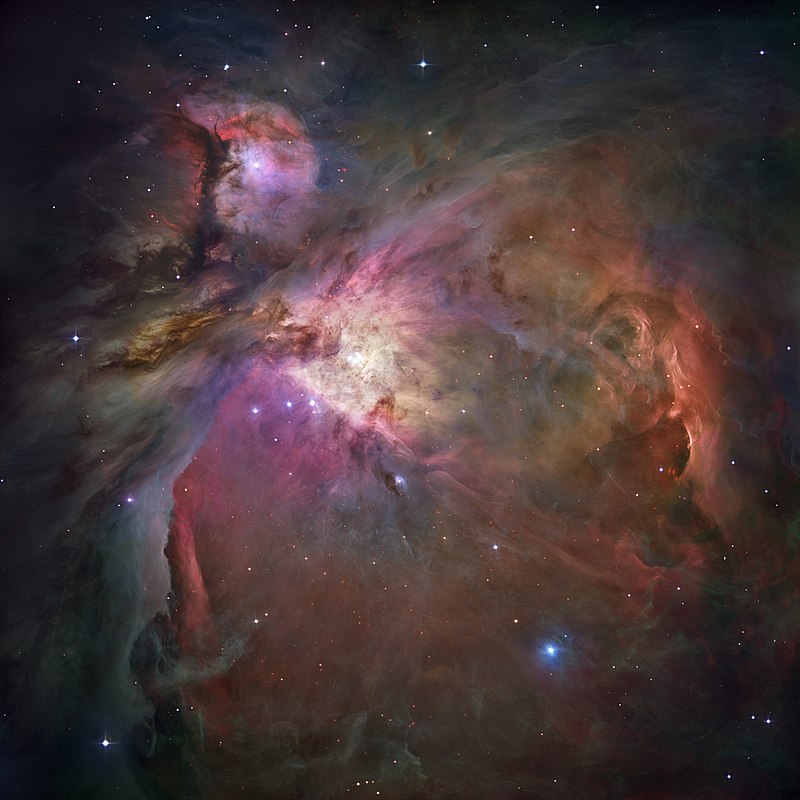
“God is love… We love because
he first loved us.” – John the Apostle
(1 John 4:8-19, ESV Bible))
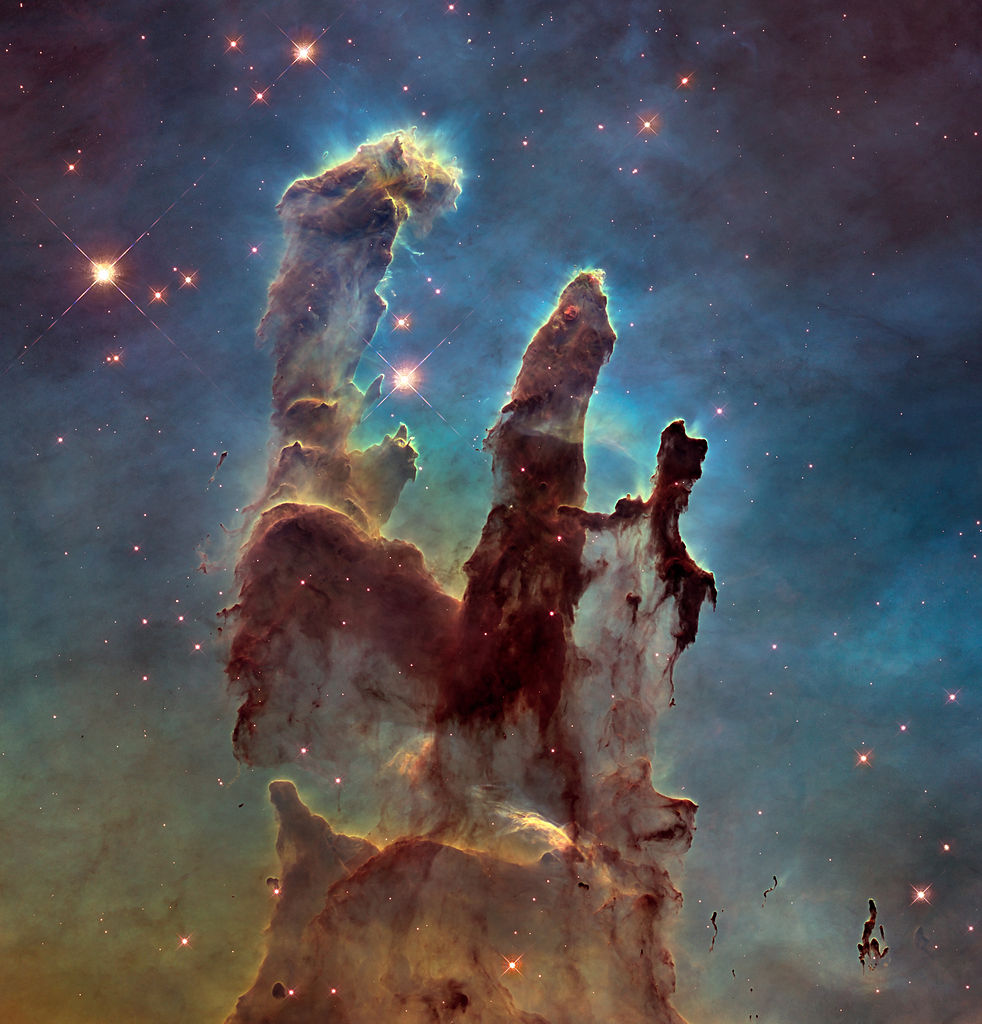
The mind is the highest experience of order continuing order. And at the sentient level, this order is driven by love. That is, our creation is the manifestation of our Creator’s affection. And now we, the created, have become the Creator. Such a realization should motivate a love that extends beyond ourselves and our species to the whole of nature in its beauty. Should we hope to continue our existence, then we must love our existence—its past, its present, and its future.

“Our remote descendants, safely arrayed on many worlds throughout the solar system and beyond, will be unified by their common heritage, by their regard for their home planet, and by the knowledge that, whatever other life may be, the only humans in all the universe come from Earth. They will gaze up and strain to find the blue dot in their skies. They will love it no less for its obscurity and fragility. They will marvel at how vulnerable the repository of all our potential once was, how perilous our infancy, how humble our beginnings, how many rivers we had to cross before we found our way.” – Carl Sagan
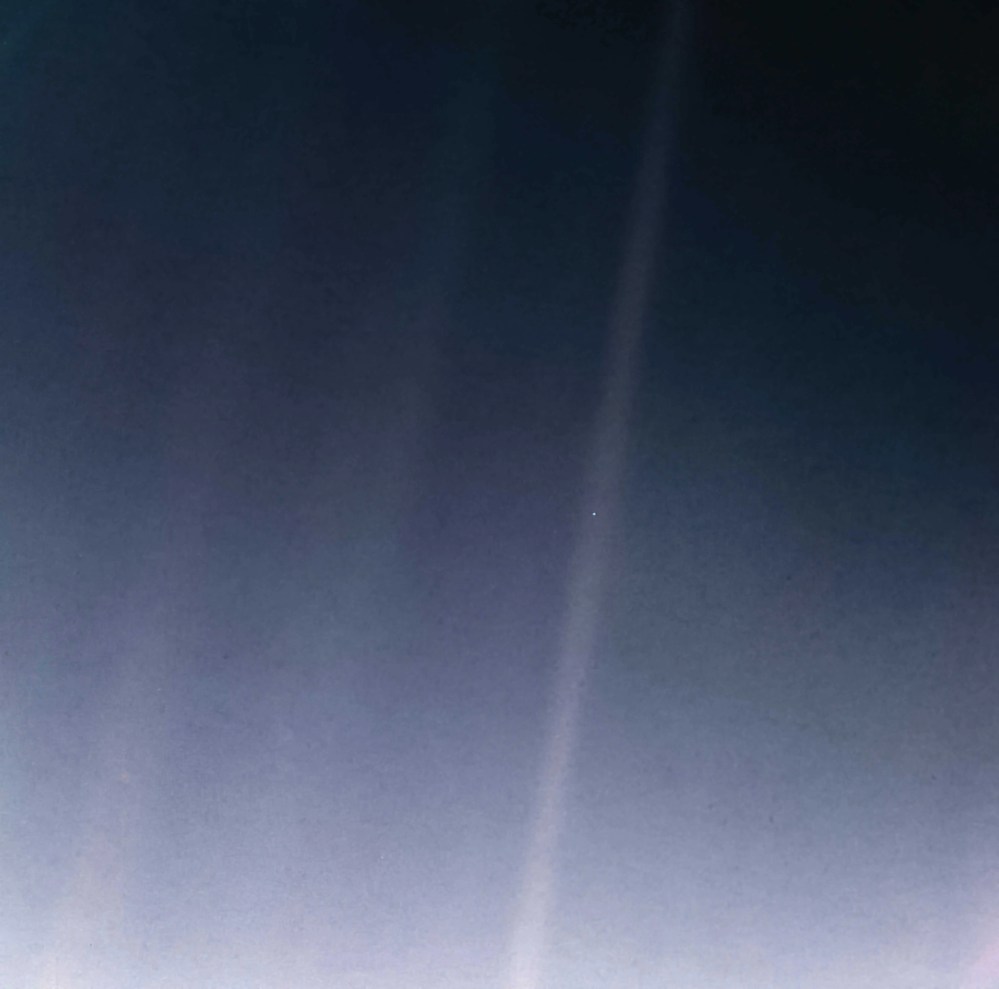
Humanity stands at the edge, gazing into the abyss. The priest looks to the heavens, and the scientist to the stars—both believing that they have found their own hope, but neither aware that they seek the same salvation. The only alternative to extinction is eternity, and the only answer to death is love.
When I was a child, worship often inspired a boundless, transcendent love. As evangelist Charles Finney said about his conversion experience, “I could feel the impression, like a wave of electricity, going through and through me. Indeed it seemed to come in waves and waves of liquid love.” Even critics of religion recognize such experiences: “A phenomenon like self-transcending love does entitle us to make claims about the human mind. And this particular experience is so well attested and so readily achieved by those who devote themselves to specific [spiritual] practices or who even take the right drug (MDMA) that there is very little controversy that it exists. Facts of this kind must now be understood in a rational context” (Sam Harris, Waking Up).

If I have learned anything from my childhood faith, it is this: there is no phenomenon more powerful than love. And now I’ve rediscovered this experience, this captivating sense of connectedness, but this time in a rational context: God is love, and we are God becoming self-aware. We have a purpose, and it is cosmic. This is why we think and feel. This is why we are driven to discover and drawn to eternity. And this is why we love. So if we wish to believe in free will, then we now have a choice. We can embrace our role as Creator, and create an existence that is cherished by all humanity. Or we can refuse our cosmic calling, and let ourselves fade into the darkness.
“The religious myth is one of man’s greatest and most significant achievements, giving him the security and inner strength not to be crushed by the monstrousness of the universe.” – Carl Jung (psychiatrist and psychoanalyst, 1875-1961)
The following is summarized from Chapter 8: One System.

Sooner or later, our existence will be threatened. And we might wonder, did we come this far just to destroy ourselves, or is there a reason to cherish the life we deem so precious? What will it take to survive, not just as individuals in a dying world, but as a species that flourishes in the far future?
“The civilization now in jeopardy is all humanity. Here we face a critical branch point in history. What we do with our world, right now, will propagate down through the centuries and powerfully affect the destiny of our descendants. It is well within our power to destroy our civilization and perhaps our species as well. If we capitulate to superstition or greed or stupidity we could plunge our world into a time of darkness. But we are also capable of using our compassion and our intelligence, our technology and our wealth to make an abundant and meaningful life for every inhabitant of this planet… [We should] consider in every nation major changes in the traditional ways of doing things, a fundamental restructuring of economic, political, social, and religious institutions.” – Carl Sagan

Western democracy is a failed experiment, and so is the civilization born from its influence. It’s time we begin a new experiment, with a new hypothesis: should our species persist as a *living system, then it must behave as a living system. Our political and economic functions should reflect the homeostatic and metabolic processes of an organism. Our values and incentives should be defined by their existential utility, not by arbitrary currencies. And such a fundamental shift begins with a fundamental assumption: should humanity survive, then it must assume, as any living system must assume, that survival is its purpose. We are one system, the human system, and we are bound by one objective.
*In this discussion, “living system” refers to any system whose persistence depends on the persistence of life (i.e. cellular organisms, though the definition of biological life is still up for debate). Living systems must involve, but are not limited to, living organisms. And be it a single cell or a sentient civilization, there are basic principles that hold true across all levels of organization.
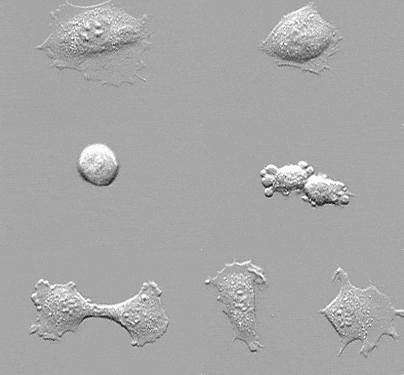
“An organism at war with itself is doomed.
We are one planet.” – Carl Sagan
A few living cells, four billion years ago, have grown into a system that blankets the planet from the highest peak to the deepest trench—a system with minds so powerful that it can harness the energy from an atom’s nucleus, and so aware that it knows its age and beholds its place in the cosmos. We, the human species, represent a universe that can discover its own laws, explore its own depths, and admire its own magnificence. We, the created, have become the Creator—order continuing order in a universe of perpetual disorder.
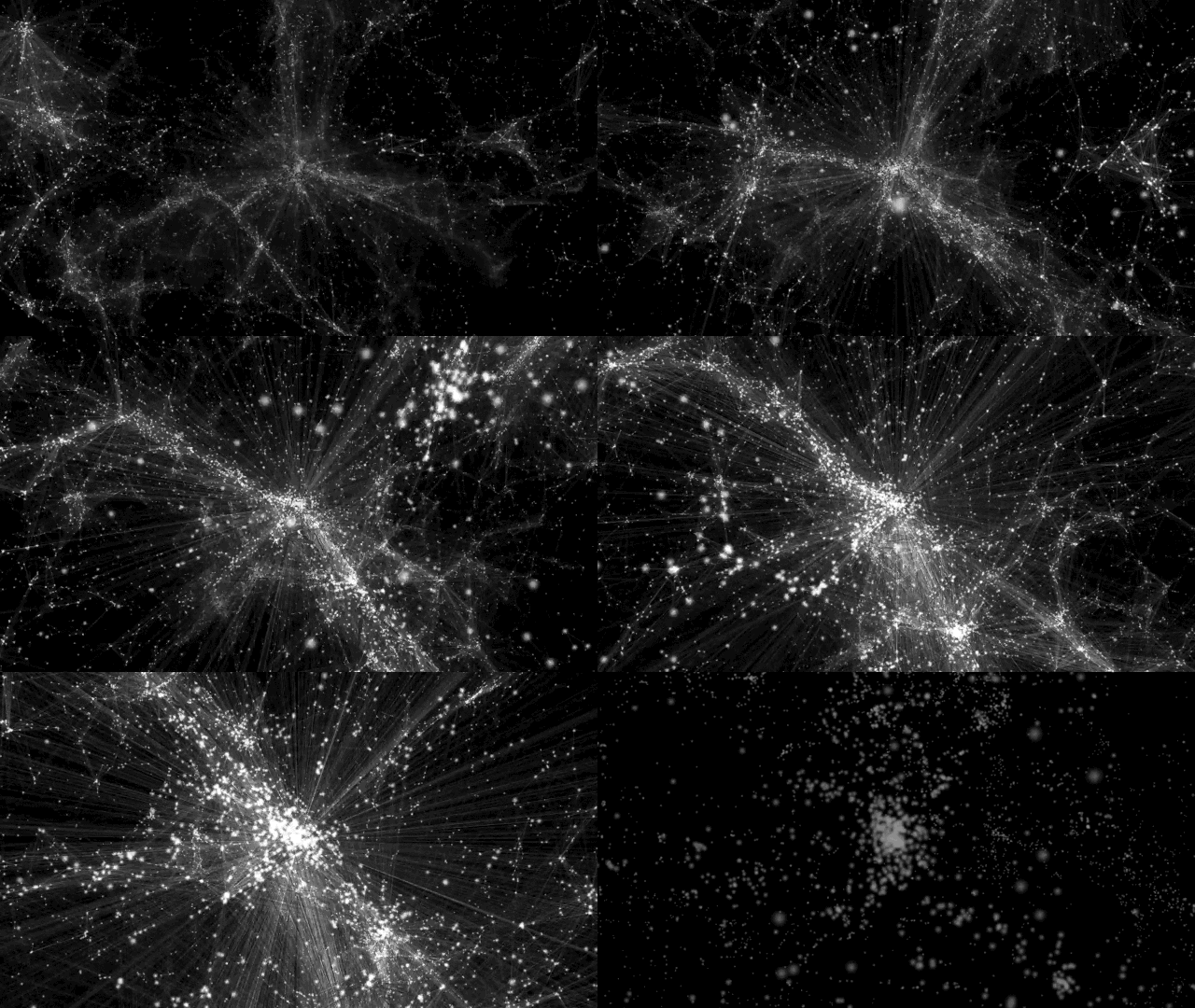
“Our loyalties are to the species and the planet. We speak for Earth. Our obligation to survive and flourish is owed not just to ourselves but also to that cosmos, ancient and vast, from which we spring.” – Carl Sagan
Imagine the human species with a singular vision. Imagine an intelligent system driven by a cosmic aim. The embrace of such a reality would mobilize the intellectual community and expand its innovative capacity. It would advance our pursuit of knowledge and discovery, and grow a culture of awareness that offers humanity a whole perspective and a higher purpose. And it would incentivize the sustainable development of every economic market, and guide the flow of capital towards the creation of a highly adaptive civilization.

But look at the world today, and this might seem impossible. You might think my ideas are too idealistic to be realistic, and maybe they are. But what else can you expect from a philosophy that claims to have found the meaning of life? Any hope of redeeming the human species will certainly need to be optimistic. Any vision that intends to transform our myopic society into a star-faring utopia will have to be idealistic. Nonetheless, idealistic does not mean impractical. Just look at religion, which has captured our species since its dawn. Our spiritual beliefs are idealistic, but they are not so impractical, because they are certainly powerful. And there is no philosophy more practical than one that exploits our obsession with eternity to ensure the survival of humankind and the progression of the human mind. There is no idea more powerful than one that inspires a pride and happiness that is global, a love that extends beyond ourselves and our species to the entirety of our existence. We are God becoming self-aware—a wishful thought, but one that might change the world.
“Daring ideas are like chessmen moved
forward; they may be beaten, but they may start a
winning game.” – Johann Wolfgang von Goethe
(writer and philosopher, 1749-1832)
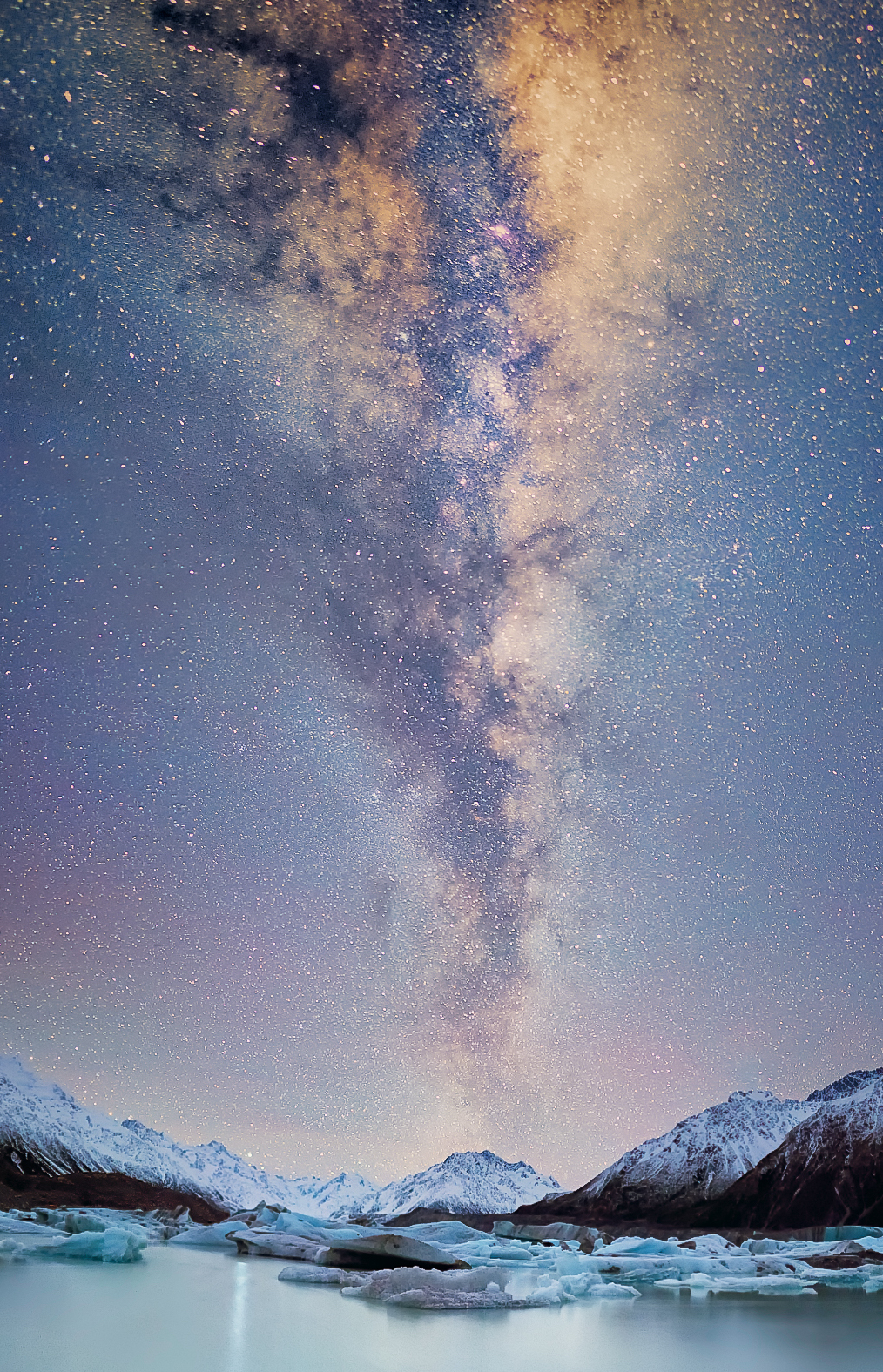
Everything seems rather meaningless when you see Earth in the vast emptiness of space. The cosmic perspective makes us feel small, and its implications can be quite unsettling. But here’s an idea that embraces science while giving significance to every human experience. The individual meaning we find in life, be it in our relationships or our passions, is solidified in the context of a greater narrative—one that embraces our humanity and sees the best in our nature. One that heals our past and ensures our future. One that brings all our narratives together. This is a story whose scope is boundless, and possibilities endless. And we have just become its Author.
“For the first time, we have the power to
decide the fate of our planet and ourselves.”
– Carl Sagan
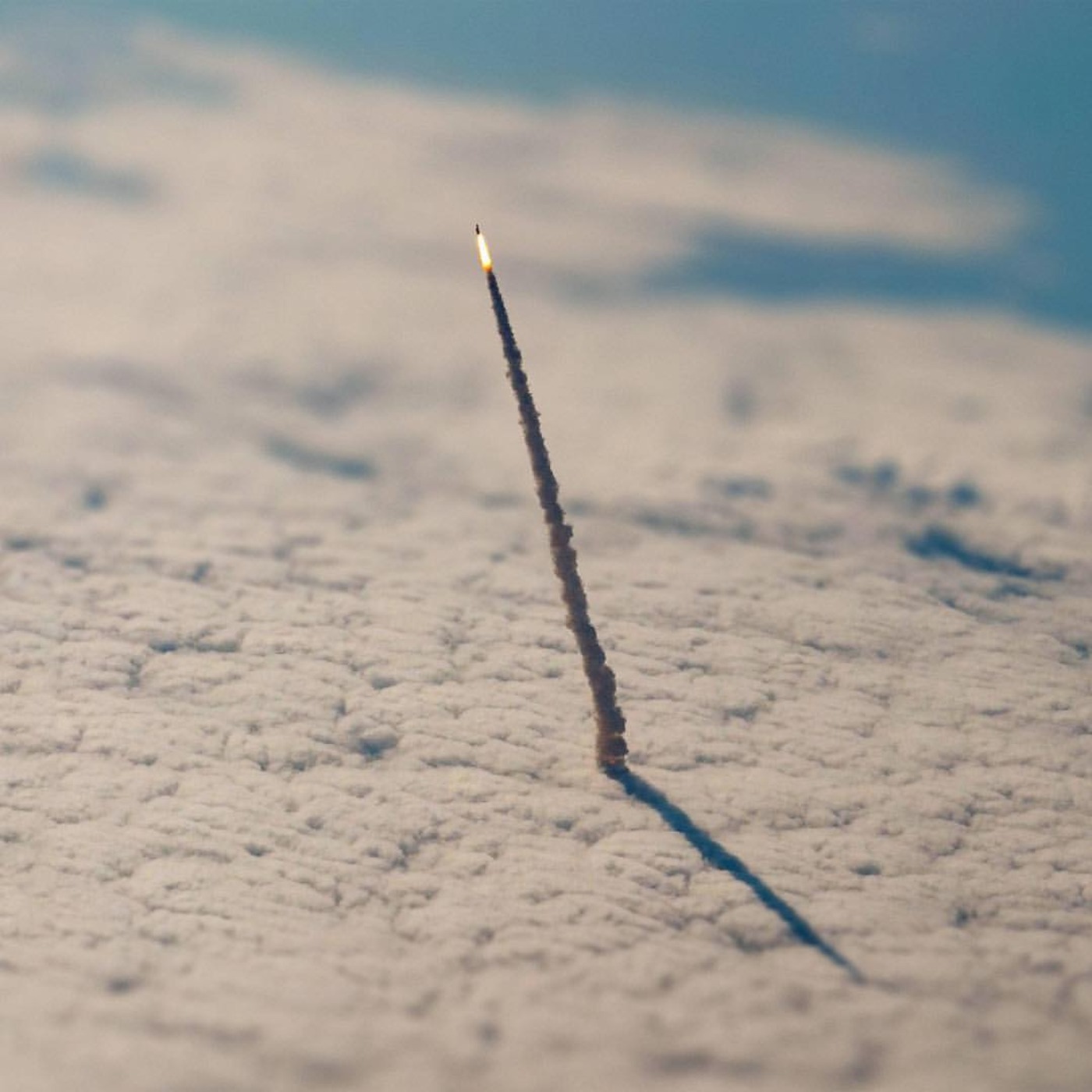
Given human nature, this is an idea that might unify humankind. This is the most sensible meaning to be found in our small and fragile existence, the most logical worldview that satisfies our religious intuitions, which so adamantly claim that we are more than some vain cosmic accident. This is a reason to think that we are part of something worth loving—that our existence is something worth preserving. And this is a reality that every intelligent being must realize, if its being is to be continued beyond a pale blue dot.
This is the truth, if such a truth exists.
“Science cannot solve the ultimate mystery of nature. And that is because, in the last analysis, we ourselves are part of nature and therefore part of the mystery that we are trying to solve.” ― Max Planck (theoretical physicist, 1858−1947)
You’ve reached the end of the summary for Part 1: If Truth Exists. In the following section, I will discuss the impact of this philosophy on the political and economic structure of viable human societies, and on the ethical principles that guide the development of science and technology. As an evolving framework, all practical implications remain open to experimentation and adaptation.
 if truth exists